
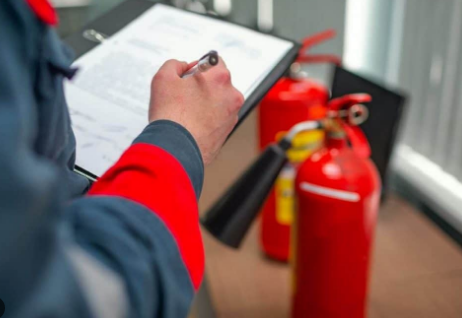
Fire watch guards are trained professionals responsible for monitoring high-risk areas to prevent fire hazards. Their role has evolved from basic observation to integrating advanced technology with human vigilance. Studies show that workplaces combining trained guards with technological tools experience up to 60% fewer fire incidents, proving the effectiveness of a balanced approach Fire Watch Guards.
2. How does technology support fire watch guards?
Modern technology enhances a guard’s ability to detect potential hazards early. Tools such as thermal cameras, portable smoke detectors, and real-time communication systems allow for rapid identification of risks that may not be immediately visible. Research indicates that technology-assisted monitoring can improve early detection speed by 40%, reducing the likelihood of large-scale fires.
3. Why is human vigilance still essential despite advanced systems?
While technology can detect heat, smoke, or sparks, human judgment is critical for interpreting these alerts and taking the appropriate action. Data from industrial safety reports reveal that facilities relying solely on automated systems experience 30% more false alarms and delayed responses compared to sites with trained fire watch personnel. Human oversight ensures that minor hazards are contained before they escalate.
4. How do fire watch guards combine vigilance and technology in practice?
Guards perform routine inspections while monitoring technological alerts in real time. For example, in construction or manufacturing sites, guards may oversee welding or electrical work while tracking thermal sensors. This dual approach ensures that both visible and hidden hazards are identified promptly. Studies show that sites implementing this integrated monitoring see up to 50% fewer fire-related losses.
5. What types of industrial environments benefit most from this approach?
High-risk environments such as chemical facilities, manufacturing plants, and construction zones benefit significantly. Industrial data indicate that these environments experience nearly 60% fewer fire incidents when combining professional guards with technological monitoring compared to relying on either method alone. The balance ensures comprehensive coverage for complex operational areas.
6. How does this balance improve response times?
Technology can instantly alert guards to potential threats, while human personnel assess the situation and act immediately. On average, facilities employing a combined strategy reduce response times by 35%, allowing small sparks or overheating equipment to be managed before escalation. Rapid response not only limits damage but also protects employees and critical equipment.
7. Are there broader benefits beyond fire prevention?
Yes. The presence of trained guards encourages employees to follow safety protocols more consistently. Additionally, their ability to interpret technological data and act on hazards reinforces a culture of safety. Studies show that workplaces with both human oversight and monitoring technology report 40% fewer overall safety incidents, highlighting the broader impact of this strategy.
8. Why should businesses invest in both fire watch guards and technology?
Combining human vigilance with modern technology provides the most effective defense against fire hazards. It reduces property damage, prevents downtime, and safeguards personnel. Facilities that adopt this balanced approach experience lower operational risks, cost savings from prevented incidents, and improved workplace safety culture.
Conclusion:
Fire watch guards remain an essential part of modern safety strategies, but their effectiveness is maximized when paired with technology. By balancing human judgment and advanced monitoring tools, businesses can prevent fire hazards, protect valuable assets, and maintain a safer work environment. In today’s complex industrial and commercial settings, this integrated approach offers measurable benefits for both safety and operational continuity.