
The Metatrader 4 platform is renowned for its advanced automation capabilities, particularly through the use of Expert Advisors (EAs). EAs are powerful tools that allow traders to execute trades automatically based on pre-defined rules, helping to maintain discipline, reduce emotional decision-making, and optimize trading efficiency. Understanding how to leverage EAs can significantly enhance your trading strategy.
Expert Advisors are programmable scripts that monitor the market, identify trading opportunities, and execute orders without manual intervention. Traders can design EAs to follow specific strategies, including trend-following, scalping, grid trading, or breakout strategies. By automating these processes, EAs allow traders to take advantage of market movements 24/7, even when they are not actively monitoring their screens.
Developing an effective EA begins with clearly defining your trading rules. This includes entry and exit conditions, risk parameters, position sizing, and trade management rules. MetaTrader 4 uses the MQL4 programming language, which enables traders to create custom EAs or modify existing ones to suit their individual strategies. Even traders with limited coding knowledge can access pre-built EAs and optimize them according to their preferences.
Backtesting is a crucial step in using Expert Advisors effectively. MT4 allows traders to simulate their EA strategies using historical market data to evaluate performance, identify potential weaknesses, and refine settings. Backtesting provides insights into how an EA would have performed in past market conditions, helping traders optimize strategies before deploying them in live trading.
Risk management is integral to automated trading. Expert Advisors can be programmed to apply stop-loss, take-profit, and trailing stop orders, ensuring positions are managed according to pre-defined rules. Proper risk control within EAs protects capital while allowing strategies to capitalize on profitable opportunities.
Monitoring performance is also essential, even with automated systems. Traders should periodically review EA results, adjust parameters, and ensure that the strategy remains effective under current market conditions. MT4 provides detailed reports and analytics to track EA performance over time.
In conclusion, MetaTrader 4 Expert Advisors empower traders to automate their trades, enhancing consistency, efficiency, and accuracy. By developing well-defined strategies, backtesting thoroughly, managing risk effectively, and monitoring performance regularly, traders can fully leverage EAs to optimize trading outcomes. Automation through MT4 Expert Advisors is a valuable tool for achieving disciplined, profitable trading in both forex and CFD markets.
Differences Between Spot Forex and Forex Futures Market
The forex market offers various ways to trade currencies, with spot forex and forex futures being two of the most common methods. While both involve trading currency pairs, they differ significantly in terms of contract structure, trading mechanisms, and risk profiles. Understanding these differences can help traders choose the right forex market to fit their trading goals and strategies.
What Is Spot Forex?
Spot forex refers to the purchase or sale of a currency pair for immediate delivery, typically settled within two business days. It is the most straightforward and widely used method of trading currencies. In spot forex, traders buy or sell the actual currencies at the current market price, known as the spot price.
Spot forex trading is conducted over-the-counter (OTC), meaning transactions occur directly between parties, typically via electronic trading platforms. This market operates 24 hours a day during weekdays, allowing continuous trading across global financial centers.
What Are Forex Futures?
Forex futures are standardized contracts traded on regulated exchanges, such as futures exchanges. These contracts obligate the buyer to purchase, and the seller to sell, a specific amount of a currency at a predetermined price on a future date.
Unlike spot forex, futures contracts have set expiration dates and standardized contract sizes. Traders use futures contracts to hedge currency risk or speculate on future price movements.
Key Differences Between Spot Forex and Forex Futures
Settlement and Delivery
In spot forex, the settlement typically happens within two business days, and most retail traders do not actually exchange the currencies but speculate on price movements.
Forex futures contracts have a specified delivery date in the future. Although many futures traders close their positions before expiration to avoid delivery, the contracts are legally binding until then.
Trading Venue
Spot forex is traded OTC through a decentralized network of banks, brokers, and electronic platforms.
Forex futures are traded on centralized exchanges, providing greater transparency and regulated trading environments.
Contract Standardization
Spot forex trading is flexible, with traders able to trade varying lot sizes and customize positions.
Futures contracts have standardized sizes and expiration dates, which can limit flexibility but also provide clarity and liquidity.
Leverage and Margin
Spot forex typically offers higher leverage compared to futures, allowing traders to control larger positions with less capital.
Futures trading usually has stricter margin requirements and lower leverage, providing a more controlled risk environment.
Cost and Fees
Spot forex trading costs often come from spreads—the difference between the bid and ask price—and may include commissions depending on the broker.
Forex futures have transparent commissions and fees charged by exchanges and clearinghouses but generally feature narrower bid-ask spreads.
Which Market Is Better?
Choosing between spot forex and forex futures depends on individual preferences and trading styles. Spot forex is popular for its flexibility, accessibility, and continuous trading hours. Futures appeal to traders seeking regulated markets, standardized contracts, and clearer risk management.
Conclusion
Spot forex and forex futures offer distinct trading experiences. Spot forex allows immediate currency trading with flexible contract sizes, while forex futures involve standardized contracts traded on regulated exchanges with set expiration dates. Understanding these differences enables traders to select the market best suited to their objectives and risk tolerance.
Unlimited Earning Potential: The Profit Power of the Forex Market
The forex market, known for its vast size and dynamic nature, stands as one of the most accessible and potentially rewarding trading arenas in the financial world. Unlike traditional markets that may limit profit opportunities due to limited volatility or restricted hours, the forex market offers virtually unlimited earning potential for disciplined and strategic traders.
At the heart of this potential lies the market’s immense liquidity and daily trading volume, which exceeds several trillion dollars. This high volume not only ensures smooth trade execution but also creates countless opportunities to capitalize on price movements throughout the day. Whether the market is trending upward or downward, forex traders can find profit potential in both directions by buying or selling currency pairs based on market analysis.
Another key factor contributing to the earning potential in forex trading is the availability of leverage. Leverage allows traders to control larger positions with a relatively small amount of capital, magnifying both profits and risks. When used responsibly and with proper risk management, leverage can significantly increase returns on investment, giving traders the ability to grow their accounts efficiently.
Forex markets also operate 24 hours a day, five days a week, offering flexibility to engage in trading during any session—Asian, European, or North American. This continuous access means traders can adapt their schedules, react to breaking economic news, and take advantage of global financial events in real time, enhancing their ability to capture profitable opportunities.
In addition to market structure and accessibility, the wealth of analytical tools available further empowers traders to identify high-probability setups. From technical indicators and price action strategies to economic calendars and sentiment analysis, forex traders have access to a robust toolkit that can help maximize profit potential with well-informed decisions.
Importantly, the earning potential in forex is not limited to a specific style or timeframe. Whether one prefers short-term scalping, day trading, swing trading, or long-term investing, the forex market accommodates all strategies with equal opportunity. This flexibility allows traders to develop a personalized approach aligned with their goals, experience, and risk tolerance.
In conclusion, the forex market offers unmatched profit potential thanks to its liquidity, accessibility, flexible hours, and use of leverage. While success requires discipline, education, and strategic execution, the opportunity for substantial earnings makes forex an attractive choice for traders seeking to build consistent growth in a global financial environment.
Forex Market Liquidity and Volatility Explained
The forex market is the world’s largest and most liquid financial market, where currencies are traded 24 hours a day across global financial centers. However, while liquidity and volatility are key characteristics of the forex market, they impact trading in distinct ways. Understanding these dynamics is crucial for navigating the market effectively, whether you’re a seasoned trader or just starting out.
What Does Liquidity in Forex Mean?
Liquidity refers to the ease of buying or selling a currency pair without causing significant price fluctuations. A highly liquid market has abundant participants and big trading volumes, allowing traders to enter and exit positions with minimal slippage. Major currency pairs like EUR/USD or USD/JPY typically exhibit high liquidity due to their global demand, which stems from factors such as economic trade, investment flows, and central bank reserves.
However, not all currency pairs are equally liquid. Minor and exotic pairs tend to have lower trading volumes, which can result in wider spreads and less predictable price movements. For traders, keeping liquidity in mind when choosing which currency pairs to trade is an essential strategy.
How Does Volatility Affect the Forex Market?
Volatility, on the other hand, measures the frequency and magnitude of price changes in the forex market. While liquidity ensures smooth transactions, volatility introduces potential for substantial gains or losses. Highly volatile currency pairs experience significant price swings, making them attractive for traders seeking short-term opportunities.
Several factors drive forex market volatility, including economic data releases, geopolitical events, and central bank decisions. For example, announcements like changes to interest rates or GDP reports can spark rapid price action as market participants react to the news. While this creates opportunities for profit, it also increases risk, requiring traders to adopt proper risk management strategies.
Balancing Liquidity and Volatility in Trading
For successful forex trading, striking a balance between liquidity and volatility is key. While high liquidity reduces costs and ensures efficient transactions, volatility provides opportunities to capitalize on price movements. Combining both factors, traders can choose currency pairs and trading strategies suited to their goals and risk tolerance.
Both liquidity and volatility are integral to the forex market’s dynamics. By understanding how these factors work, traders can make informed decisions and position themselves for success in this fast-paced environment. Whether you’re managing long-term investments or day trading for quick profits, mastering these concepts is essential to thriving in the forex market.
Get Started with MetaTrader 4 on iPhone for Seamless Trading
download mt4 for iPhone is an essential tool for traders who want to stay connected to the markets while on the go. The mobile version of MT4 offers a complete trading experience, combining advanced tools and features in a user-friendly interface. If you’re ready to take your trading to the next level, here’s how to get started with MetaTrader 4 on your iPhone.
Step 1: Download the App
The first step is simple—head to the Apple App Store on your iPhone and search for “MetaTrader 4.” Tap the download button to install the app. Once it’s installed, you’ll find it ready to launch on your home screen.
Step 2: Log In or Create an Account
Open the app, and you’ll be prompted to either log into your existing trading account or create a new one. If you’re new to trading, you can quickly sign up within the app, gaining access to a wide range of trading instruments.
Step 3: Customize Your Trading Settings
MT4 offers an array of tools to help you trade effectively. Customize the interface to suit your preferences—adjust chart settings, add technical indicators, and set up your preferred order types. This ensures that the app is tailored to your specific trading strategy.
Step 4: Stay Updated with Real-Time Alerts
Set up price alerts and notifications so that you’re always in the loop. Whether you’re tracking specific currency pairs or receiving updates on market news, MT4 ensures you never miss an opportunity.
Conclusion
MetaTrader 4 on iPhone makes trading easy, efficient, and accessible. With real-time data, customizable settings, and an intuitive interface, it’s the perfect solution for traders looking to manage their trades while on the move. Download the app today and experience seamless trading wherever you go!
How to Download and Use Free Trading Templates on MT4
MetaTrader 4 (MT4) is one of the world’s most popular trading platforms, known for its flexibility and user-friendly interface. A feature that sets it apart is the ability to use trading templates. These templates simplify your experience by saving predefined chart settings, indicators, and other preferences, allowing you to trade more efficiently. Here’s how you can download and use free trading templates on forex market.
Step 1: Find Free Trading Templates
To get started, you’ll need to search for free trading templates online. Many websites and trading communities offer downloadable templates that cater to various trading strategies, such as scalping, day trading, or swing trading. Look for reputable sources or forums where fellow traders share their insights and tested templates. Ensure the templates are compatible with MT4 and safe to download.
For example, searching “free trading templates for MT4” on forums like ForexFactory or websites focusing on trading resources can yield excellent results.
Step 2: Download the Template
Once you’ve identified a template that suits your trading style, download the file. Typically, the template file will have a “.tpl” extension. Save it to an easy-to-find location on your computer, such as the desktop or a dedicated trading resources folder. Double-check that the template has been downloaded fully and is free from viruses by running a quick scan with your antivirus software.
Step 3: Import the Template into MT4
After downloading, the next step is to import the template file into the MT4 platform. Follow these steps to do so:
1. Open the MT4 platform on your system.
2. Click on “File” in the top left corner of the screen.
3. Select “Open Data Folder” from the dropdown menu.
4. Inside the data folder, go to the “templates” directory and paste the downloaded .tpl file here.
5. Close the MT4 platform and restart it to ensure the changes are applied.
Step 4: Apply the Template to Your Chart
Now it’s time to activate your new trading template. Here’s how you can apply it to your chart:
1. Open the desired chart in MT4 (e.g., EUR/USD, GBP/USD).
2. Right-click anywhere on the chart and select “Template” from the dropdown menu.
3. Click on the name of the template you just imported (it should now appear in the list).
4. The chart will instantly update to reflect the settings, indicators, and visuals saved in the template.
Why Use Trading Templates?
Using templates on MT4 can streamline your trading process significantly. They save time by reducing the need to manually apply chart settings and indicators every time. Plus, they help to maintain consistency, especially if you’re following a particular trading strategy or analyzing multiple charts.
Get Started Today
Trading templates are a powerful tool to enhance your efficiency on MT4. Download one, customize it to suit your preferences, and experience the difference it makes in simplifying your trading. Begin exploring free templates today to take your trading strategy to the next level.
A Guide to Choosing the Best Forex Broker for Your Trading Needs
The forex market is one of the largest and most liquid financial markets globally, with a daily trading volume exceeding $7.5 trillion. For anyone looking to explore forex trading, one crucial step is choosing the right broker. With hundreds of options available, finding a reliable forex broker can feel overwhelming. But getting this decision right can play a significant role in how successful and enjoyable your trading experience will be.
Here’s a quick guide on how to select the best forex broker tailored to your trading needs.
1. Regulatory Compliance
The first thing you should check is whether the broker is regulated. Regulation ensures your funds are protected under strict financial guidelines. Look for brokers licensed by recognized regulatory bodies like the Financial Conduct Authority (FCA) in the UK, the Commodity Futures Trading Commission (CFTC) in the US, or the Australian Securities and Investments Commission (ASIC). Consider this your first step toward safeguarding your investments.
2. Competitive Spreads and Fees
The cost of trading comes primarily from spreads and commission fees. Aim for a broker offering tight spreads (the difference between the bid and ask price) as this will help you maximize profits. Major currency pairs like EUR/USD often feature spreads as low as 0.1 to 1 pip with reputable brokers. Additionally, watch for hidden fees like withdrawal costs or overnight rollover charges that could eat into your earnings.
3. Trading Platforms and Tools
The trading platform is where you’ll spend most of your time. Top brokers typically offer advanced platforms like MetaTrader 4 or MetaTrader 5, with features such as real-time price charts, technical analysis tools, and automated trading functionality. Also, check for efficient mobile apps or web-based platforms that allow trading on the go.
4. Account Types and Leverage
Different brokers cater to traders at varying levels of experience. Look for customizable account types, ranging from beginner demo accounts to professional accounts offering high leverage. However, while leverage can amplify your profits, it brings a level of risk—ensure you fully understand it before committing to any trades.
5. Customer Support
The forex market operates 24/5, and reliable customer support can save you in urgent situations. Brokers offering multilingual support, live chat features, or phone assistance are often reliable options.
Final Words
Choosing the right forex broker requires healthy research and a clear understanding of your trading goals. Prioritize regulation, fair pricing, user-friendly platforms, and robust customer support to set yourself up for trading success.
MetaTrader 4 for Windows: How to View and Analyze Historical Data
MetaTrader 4 (MT4) is one of the world’s most widely used trading platforms, known for its robust features and user-friendly interface. Among its crucial tools is the ability to access and analyze historical data, which plays a vital role in strategizing and improving trading outcomes. Whether you are a novice trader or an experienced one, mastering this feature can give you a significant edge.
This blog highlights how to view and analyze historical data in metatrader 4 for windows, breaking it down into a few simple steps.
Why Historical Data Matters in Trading
Before jumping into the “how-to,” it’s essential to understand why historical data is so critical. Looking at the past performance of currency pairs, stocks, or other assets provides insight into market trends, volatility, and patterns that repeat themselves over time. Traders often use this data to backtest strategies, evaluate risk, and make informed predictions about future price movements.
The availability of historical data on MT4 ensures that traders don’t need to rely on vague instincts; instead, every decision can stem from evidence-backed analysis.
Viewing Historical Data in MT4
MetaTrader 4 provides an efficient system to access historical price charts and market data directly within its interface. Here’s a straightforward breakdown to help you get started:
1. Start with the History Center
•Open MT4 for Windows and click on the “Tools” menu.
•Select “History Center” (or use the shortcut F2).
Here, you will find a list of symbols and assets categorized by their respective market. You’ll also see available timeframes, such as M1 (1-minute), H1 (hourly), or D1 (daily), for each symbol in the market.
2. Download and Open Data
Once in the History Center, locate the asset you want to examine. Double-click on it to load the data into your platform. If the data isn’t already available in your system, MetaTrader gives you the option to download the missing portions directly from the broker’s server.
Next, import this data into the relevant chart to view it visually. Right-click anywhere on the chart and select “Refresh” to ensure it updates correctly.
How to Analyze Historical Data
Accessing historical data is just the first step. To fully utilize it, analysis is key. Traders on MT4 often focus on two primary approaches when analyzing historical data:
1. Use Technical Indicators
MetaTrader 4 allows you to apply technical indicators directly to historical charts. Indicators like moving averages, Bollinger Bands, or the MACD (Moving Average Convergence Divergence) are invaluable when looking for trends and potential setups. Place these tools over historical price points to spot patterns or determine potential resistance and support levels.
2. Backtesting Strategies
One of the most impactful ways to use historical data in MT4 is through backtesting. The built-in Strategy Tester lets you apply your trading algorithms (Expert Advisors) to historical data and see how they perform. This feature eliminates guesswork by revealing whether a strategy is profitable or needs refinements before implementation.
Final Thoughts
Historical data is a trader’s ultimate reference point, and MetaTrader 4 for Windows offers all the tools you need to harness it effectively. From understanding past performance to fine-tuning your trading strategies, the ability to view and analyze this data is invaluable for success.
Using MetaTrader 4 for Windows for Market and News Analysis
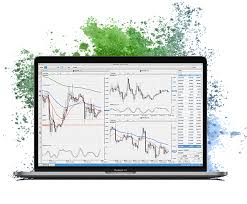
MetaTrader 4 (MT4) has become a globally recognized platform among traders. Its widespread adoption stems from its powerful tools and intuitive interface, making it a trusted ally for both technical analysis and market-driven decision-making. But did you know that metatrader 4 for windows can also be a game-changer for market and news analysis?
This article explores how traders can leverage MT4’s features to monitor breaking news, analyze its impact on the markets, and make informed trading decisions.
Why Market and News Analysis Matters for Traders
Market and news analysis allows traders to understand the forces driving asset price movements. Economic events like central bank interest rate decisions, unemployment data, and geopolitical changes often affect the volatility and price trends in financial markets.
For traders, accurately tracking and reacting to such news requires access to real-time updates and data – and this is where MetaTrader 4 shines.
How MetaTrader 4 for Windows Supports Market & News Analysis
H2 Real-time Financial News Integration
MT4 comes equipped with a built-in news feed. For Windows users, this feature integrates seamlessly into the interface, offering a constant stream of financial updates and insights. Real-time news updates allow traders to stay informed about key events that could impact the price of forex pairs, commodities, indices, and more.
For example, suppose a major central bank unexpectedly raises interest rates. Traders using MT4 receive instant notifications about this event and can evaluate its potential effects on their open positions or future trades.
Pro Tip: Set up news alerts in MT4 to filter news announcements by relevance to your trading instruments.
H2 Customizable Economic Calendars
Another valuable feature for MT4 on Windows is its connection to economic calendars. These calendars highlight key upcoming events such as employment reports, GDP releases, and trade balances that could influence market directions.
Traders can configure the economic calendar to display only high-impact news relevant to their trading strategy. This setup minimizes distractions while helping traders focus on events likely to create trading opportunities.
For example, if you’re trading currency pairs involving the US dollar, you might prioritize updates on the Non-Farm Payroll (NFP) report or Federal Reserve policy decisions.
H2 Charting Tools to Analyze News Impact
Many traders often combine market news analysis with technical analysis to predict trends. MT4 enhances this by offering a variety of charting tools and indicators to assess how news events impact price movements in real-time.
For Windows users, MT4 provides advanced functionalities, such as overlaying price charts with events from the economic calendar. This makes it easier to correlate market volatility with specific news releases. Tools like Bollinger Bands and RSI (Relative Strength Index) can help identify whether price trends caused by news are likely to continue or reverse.
H2 Automation for Faster Reactions
When financial news breaks, quick execution can make the difference between a profitable trade and a missed opportunity. MT4 for Windows allows traders to create Expert Advisors (EAs) – automated trading systems that execute trades based on predefined conditions.
For example, traders can program their EA to react immediately to certain news triggers, such as buying or selling a specific forex pair when there’s a sharp price movement following a major announcement.
Practical Tips for Using MT4 for News Analysis
1. Stay Organized: Dedicate a section of your MT4 interface to the news feed and economic calendar for better functionality.
2. Use Alerts: Create customized alerts in MT4 to notify you when critical news events align with your trading strategy.
3. Test Your Strategy: Leverage MT4’s demo account to practice responding to news-driven market movements.
Make Smarter Decisions with MT4
MetaTrader 4 for Windows isn’t just a platform for executing trades — it’s a comprehensive tool for analyzing the market and understanding the impact of global financial news. By using its news feed, economic calendar, charting tools, and automation capabilities, traders can stay ahead of the curve and make smarter, faster decisions.