
Forex Trading Platforms: Stay Connected with Mobile and Web Access

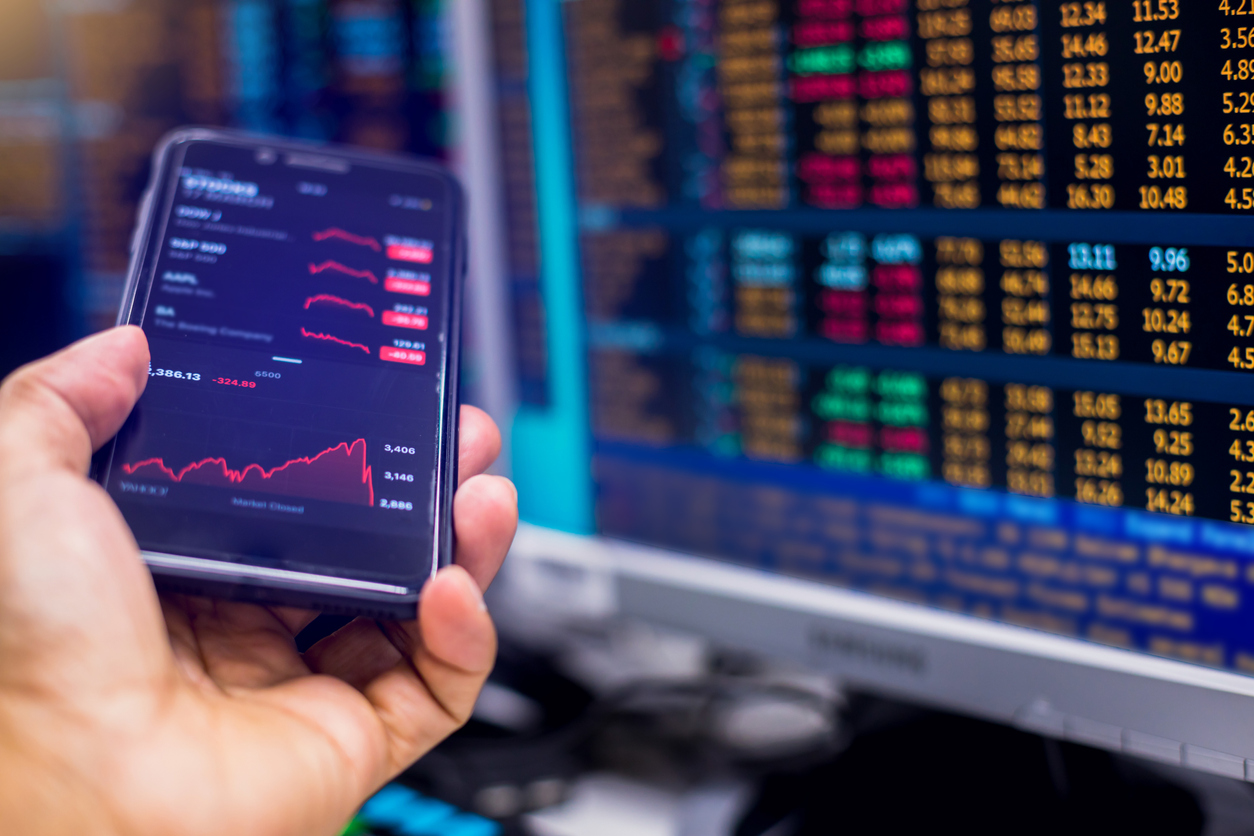
Forex trading has evolved significantly over the years, and in today’s tech-driven landscape, accessibility has become one of its defining features. Thanks to mobile and web-based platforms, staying connected to the markets has never been easier or more efficient. These platforms bring unparalleled convenience to forex trading platforms, empowering them to make real-time decisions wherever they are.

The primary benefit of mobile and web-based forex trading platforms is flexibility. With seamless integration across devices, traders can monitor the market, analyze charts, and execute trades without being tied to a desk. Whether it’s catching an unexpected market shift during a coffee break or closing a swing trade on the go, accessibility ensures opportunities are never missed.

User-friendly platforms are another key strength. These systems often feature intuitive dashboards, easy navigation, and optimized designs for both smartphones and desktops. This ensures that both beginners and seasoned traders can manage their activities efficiently, no matter their proficiency level. Functionalities like live price alerts, one-click trading, and customizable charting tools further enhance overall ease of use.

Real-time updates and data delivery are critical in forex trading, where decisions often hinge on split-second timing. Modern platforms excel in providing live market data, news, and trade execution without delay. This immediacy increases traders’ confidence in their actions, knowing they are relying on the most current information available.

Another huge benefit of these platforms is the integration of advanced security measures to protect user data and funds. With multi-factor authentication, encryption, and secure servers, traders can access their accounts with peace of mind, whether at home or using public Wi-Fi.

Mobile and web forex trading platforms provide unparalleled advantages, bridging the gap between market professionals and everyday traders. They empower users by offering convenience, real-time data, and sophisticated tools all in one place. These platforms represent the future of forex trading, offering anyone the ability to stay connected to dynamic global markets.

Prop Firm: Secure Firm Funding and Scale Your Trading Career

For aspiring traders, breaking into the trading world and scaling a successful career often requires significant financial resources. Prop trading firms have emerged as a game-changing solution, allowing skilled traders to leverage firm capital while minimizing personal financial risks. prop firm offer the perfect platform for traders to showcase their strategies and achieve rapid growth in their trading careers.

One of the major advantages of partnering with a prop firm is the access to substantial funding. A trader’s personal capital often limits position sizes and the diversity of opportunities. Prop firms remove this restriction by providing funding that enables traders to execute larger trades and achieve meaningful profit margins. By focusing solely on trading strategies, traders can prioritize performance without the pressure of exhausting personal savings.

Another benefit is the rigorous evaluation structure of prop trading firms, which ensures that only proficient and disciplined traders gain access to funding. These evaluations involve performance metrics and risk management tests designed to identify traders with the potential to succeed. Once passed, traders are equipped with state-of-the-art tools, training resources, and real-time market analysis to maximize their potential. This support fosters confidence, discipline, and the skill refinement necessary to thrive in today’s market.

Risk management is another key area where prop firms provide unparalleled support. Trading with firm funding typically involves clear risk parameters. These risk controls protect both the trader and the firm, creating an environment that encourages sustainable trading habits. This safety net can be pivotal for traders looking to gain experience without risking everything.

Lastly, trading at a professional level opens the doors to significant career growth. Traders not only enhance their market expertise but also improve their earning potential over time, paving the way for long-term success. Prop firms act as a stepping stone for traders, helping them achieve new milestones while creating a pathway to financial independence.

By joining a prop trading firm, ambitious traders unlock an opportunity to scale their trading game, access unparalleled resources, and achieve success in the competitive world of finance.

Reduced Costs and Tight Spreads in the Forex Market

In the world of forex market cost efficiency is key to maximizing profitability. One of the most significant factors that contribute to this efficiency is the spread, the difference between the buying and selling price of a currency pair. Reduced costs and tight spreads are crucial advantages in forex trading, as they allow traders to enter and exit positions more favorably, minimizing transaction costs and maximizing potential returns.
What are Spreads in Forex?

A spread is the difference between the bid (selling) price and the ask (buying) price of a currency pair. This is the price gap a trader faces when entering and exiting a trade. Forex brokers often charge a spread as their main form of compensation, and the size of the spread can vary based on factors such as market liquidity, currency pair, and trading conditions.

For example, if the bid price for the EUR/USD pair is 1.2000 and the ask price is 1.2002, the spread is 2 pips. The tighter the spread, the lower the transaction cost for the trader. A tight spread means a trader can execute a trade with minimal additional cost, which directly contributes to better profit margins.
The Importance of Tight Spreads

Tight spreads are highly beneficial for traders, as they reduce the cost of entering and exiting trades. In forex, the market operates in pips, which are the smallest price movements in a currency pair. A narrow spread means that the market doesn’t have to move significantly in favor of the trader before they start making a profit.

For day traders and scalpers, tight spreads are particularly crucial. These traders make frequent trades, often looking to profit from small price movements. A larger spread would mean that they would need a more substantial price shift to cover the cost of the spread, making it difficult to achieve profitability. Therefore, tight spreads provide greater flexibility for short-term traders and increase the potential for profitable trades.
Reduced Costs: A Key Competitive Advantage

Reduced costs are another important feature of the forex market that enhances traders’ profitability. Costs in the forex market are typically incurred through spreads, commissions, and other fees. By offering tight spreads, brokers help traders minimize their overall costs and make it easier to profit from market movements.

Furthermore, many brokers offer commission-free trading on currency pairs, allowing traders to focus solely on the spreads. This reduces the trader’s overall transaction costs, particularly for traders who engage in high-frequency trading. Reduced costs make forex trading more accessible to a wide range of traders, from beginners to professionals.

In addition, low-cost trading options allow traders to allocate more capital toward their trades, potentially increasing returns. By keeping transaction fees low, traders can focus on executing well-researched strategies, which contributes to a more efficient trading experience.
Factors Influencing Spreads and Costs

Several factors influence the spread and cost structure in the forex market. Market liquidity plays a significant role in determining spread size. Highly liquid currency pairs, such as EUR/USD or GBP/USD, typically have narrower spreads because they are traded in large volumes, providing ample buy and sell orders. On the other hand, less liquid currency pairs may have wider spreads due to lower trading activity.

Additionally, the time of day can affect the spread size. During peak trading hours, when the market is most active, spreads tend to tighten. Conversely, during off-peak hours, spreads may widen slightly due to lower liquidity.
Conclusion

In the highly competitive world of forex trading, reduced costs and tight spreads provide traders with significant advantages. Tight spreads reduce transaction costs, enabling traders to enter and exit positions more favorably and increase profitability. Reduced costs, combined with lower transaction fees and commissions, make forex trading more accessible and efficient for traders of all experience levels. By understanding how spreads and costs impact trading, traders can choose the right conditions for executing their strategies and maximizing their potential for success in the forex market.

Maximizing Futures Trading Discounts: Save on Fees, Maximize Your Profits

futures trading discount has been constantly working out intended for people in search of influence and also to be able to hedge investment portfolios as well as hypothesize with current market movements. An important principle to get professionals to understand in this particular room is usually futures trading discounts. These kind of special discounts can influence decision-making in addition to right influence trading strategies. Let’s stop working just what exactly all these Futures Trading Discount necessarily mean and that may affect your trading approach.

What Is actually a Futures Trading Discount ?

A futures trading discount takes place when the price of a futures agreement is definitely lower than the current area value of the base asset. This kind of occurrence demonstrates buyer targets the fact that asset’s foreseeable future value will certainly downfall in comparison to it’s economy value. Discounts are witnessed in futures legal papers with regard to resources for instance merchandise, equities, plus indices, the place marketplace emotion, supply-demand characteristics, and various additional aspects be given play.

As an illustration, in the event that elementary oil’s location cost is $80 a bat berrel even though their one-month futures plan deals during $78, your $2 difference delivers your discount. While little around overall price, all these dissimilarities maintain substantial implications intended for probability supervision, arbitrage prospects, in addition to market place emotion analysis.

The key reason why Carry out Futures Business in a Discount ?

Quite a few factors may lead to discounted futures prices. Here’s the primary affects experienced traders should consider:

1. Valuation on Bring

The expense of carry notion can be fundamental towards futures market. Futures rates usually reveal costs associated with having this natural investment, including storage plus financing. As soon as there’s really no strong need for lengthy roles as well as auto ecosystem pressures safe-keeping along with have expenses downwards, futures pricing can easily slip listed below must have price.

2. Sector Feeling

Futures legal papers usually are intrinsically forward-looking, indicating their particular selling prices depict market goals about long run performance. A new bearish emotion about an asset’s potential performance—it could be a inventory catalog and also commodity—can result in discounts.

3. Fascination Premiums

Regarding economic futures , like index chart and money futures , prevailing rates of interest might make the discount. Any time rates rise, the price to bring employment improves, having an effect on futures costs accordingly.

4. Seasonality within Items

Some commodity market segments knowledge foreseen styles as a result of climatic conditions, grape planting times, and also harvesting cycles. Most of these temporary modifications can cause futures trading during deals in the course of selected months.

The best way Complete Futures Reductions Result Trading Approaches?

Understanding savings is vital intended for traders to adapt his or her tactics effectively. Here are several techniques this information can be leveraged:

Hedging Effectiveness

For portfolio administrators utilizing futures to help hedge against disadvantage probability, lower futures offers a way to enter in long-term defense in a lower cost. Having said that, misinterpreting a new discount while undervaluation without much deeper current market investigation may cause unsuccessful hedges.

Arbitrage Programs

Expert merchants make use of price disparities between the futures and position market segments by way of arbitrage strategies. For instance, buying the cheaper futures deal although together promoting the advantage on must have selling price may possibly deliver risk-free profits.

Speculative Trading

Special discounts can often mean bearish market belief, signaling traders to embrace a short bias. Having said that, great deals also entice contrarian investors wagering towards prevailing notion to get prospective reversals.

Remaining Thoughts

Futures trading discount rates offer you precious information straight into current market tendencies, sentiment, and also outer economical factors. Experienced dealers need to carefully analyze these discount rates to arrange their particular practices along with current current market conditions. Efficiently utilizing futures discount rates necessitates balancing industry feelings along with data-driven study, making certain choices aren’t only determined by surface-level selling price disparities.

Performance-Based Profit Sharing for Higher Earnings

In the world of trading, one of the most motivating factors for consistent success is the opportunity to earn based on performance. This is particularly true for traders who work with prop firm where profit-sharing models are designed to reward skill and strategy. Performance-based profit sharing offers traders the chance to significantly increase their earnings without the typical limitations found in traditional employment or retail trading. Here’s how this model works and why it can lead to higher earnings for traders.

What Is Performance-Based Profit Sharing?
Performance-based profit sharing is a compensation model where traders are rewarded with a percentage of the profits they generate. The percentage typically varies based on the firm’s structure and the trader’s performance. Essentially, this means that traders earn more the better their trading results are. Instead of a fixed salary or income, traders receive a share of the profits, which provides a direct incentive to perform well and generate profitable trades.

This model benefits both the trader and the firm. The firm gets to leverage the trader’s skills without taking on full risk, while the trader is incentivized to maximize returns. It’s a win-win arrangement that fosters motivation and aligns the interests of both parties.

Key Advantages of Performance-Based Profit Sharing
Unlimited Earning Potential
One of the most attractive aspects of performance-based profit sharing is the potential for unlimited earnings. Unlike salaried jobs or commission-based roles with capped earnings, traders who perform well can significantly increase their income. The more successful trades they make, the higher the percentage of profits they receive. For motivated and skilled traders, this model offers a pathway to higher earnings than a fixed salary can provide.

Incentivizing Excellence
A performance-based model ensures that traders are motivated to continuously improve their strategies and develop their skills. Since the compensation is tied to performance, traders have a strong incentive to refine their approaches and optimize their decision-making processes. Over time, this creates a culture of continuous learning and improvement, benefiting both the individual trader and the firm as a whole.

Minimized Risk for Traders
Many retail traders face significant financial risk when trading with their own capital. However, performance-based profit sharing with proprietary firms provides traders with the opportunity to trade firm capital, minimizing their personal financial exposure. Traders are rewarded for their skill and strategy, but they do not carry the full weight of the financial risks. This structure allows traders to focus on performance without the constant worry of losing their own funds.

Motivating Long-Term Success
Profit-sharing structures often come with additional incentives for long-term performance. Traders are not only rewarded for short-term gains but also for sustained profitability. This encourages traders to adopt strategies that will result in consistent profits over time, rather than chasing quick gains. By creating a structure that values long-term success, firms ensure that their traders are always looking to improve and grow, both personally and professionally.

Attracting Top Talent
For firms, performance-based profit sharing is an effective way to attract top-tier talent. Skilled traders are naturally drawn to compensation models that reward their performance directly, especially when the earning potential is uncapped. By offering a transparent and fair profit-sharing structure, firms can recruit and retain the best traders in the industry, which, in turn, contributes to their overall success.

Conclusion
Performance-based profit sharing is a powerful model for higher earnings, providing traders with the potential to earn more as their skills and strategies improve. By linking compensation to performance, this model incentivizes excellence and motivates traders to consistently refine their approaches. For both the trader and the firm, this creates an environment where success is both achievable and rewarding. With minimal risk for traders and unlimited earning potential, performance-based profit sharing is an attractive and effective compensation strategy in the competitive world of trading.

How to Set Up Automated Trading on T4Trade for CFD Markets

Automated Trading is rapidly changing how CFD (Contract for Difference) traders engage with volatile and dynamic financial markets. With platforms like T4Trade offering robust features tailored to both novice and experienced traders, setting up automated Trading could simplify strategies and improve execution times. If you’re keen to leverage automation for your t4trade cfd trading, here’s a concise guide to help you get started.

Step 1: Understand the Basics of Automated Trading

Automated Trading involves using algorithms to execute trades on your behalf, based on pre-defined rules. These parameters may include price, volume, timing, or complex mathematical models. For CFD markets, where speed and precision are critical, automation removes the potential for human error and emotional Trading , allowing your strategies to function unhindered 24/7.

T4Trade, a platform renowned for its user-friendly interface, empowers traders with an environment to deploy such systems efficiently. Whether you’re looking at forex, commodities, or indices CFDs, automation can help you respond to market changes in real time.

Step 2: Set Up Your T4Trade Account

Before exploring automated systems, ensure you have an active T4Trade account. The onboarding process involves verifying your details and funding your account. It’s essential to select an account type aligned with your Trading goals, as T4Trade often provides options catering to diversified Trading styles.

Step 3: Choose the Right Trading Strategy

The success of automated Trading depends on a clear and effective strategy. Are you aiming for trend-following strategies or high-frequency trades? Mapping your objectives and crafting a structure is pivotal. Additionally, T4Trade offers resources to refine strategies, including demo accounts that allow you to test Trading systems in simulated market conditions.

Step 4: Employ Expert Advisors (EAs) and Custom Indicators

T4Trade integrates smoothly with automated Trading tools often referred to as Expert Advisors (EAs). These advanced bots operate within the T4Trade Trading platform, ensuring seamless access to real-time data while automating repetitive tasks. Custom indicators can further enhance decision-making, providing nuanced insights into CFDs such as forex pairs or commodity prices.

Step 5: Monitor and Optimize

No algorithm is perfect, and market conditions frequently shift. Once you’ve set up automated Trading on T4Trade, regularly track its performance against benchmarks such as profitability and drawdown. Use T4Trade’s analytics tools to adjust the parameters where necessary and ensure alignment with market conditions.

By setting up automated Trading on T4Trade, you simplify complex CFD strategies while staying competitive in fast-moving markets. With the right setup and consistent monitoring, you can maximize Trading potential with minimal manual intervention. Upgrade your Trading game today!

How Prop Firms Evaluate Traders for Funding

Prop firms, or proprietary trading firms, offer a unique opportunity for skilled traders to access capital and trade on behalf of the firm. But before granting funding, they need to ensure that a trader possesses the right skills, mindset, and risk management practices. Here’s an inside look at the key factors prop firm evaluate when selecting traders for funding.

1. Trading Performance

At the heart of any evaluation process is your track record. prop firm focus on metrics such as:

• Consistency: Consistent returns over a period of time show a trader’s ability to sustain performance, even in varying market conditions.

• Profitability: While consistent small profits are preferred over sporadic windfalls, proving your ability to generate regular profits is crucial.

• Risk-to-Reward Ratio: A favorable risk-to-reward profile, often 1:2 or higher, is ideal. It showcases a trader’s ability to take calculated risks without jeopardizing the account.

Most firms will ask for verified trading records or require you to trade within their simulation environment for real-time evaluation.

2. Risk Management

Prop firms prioritize strong risk management over short-term gains. They assess:

• Drawdown Control: Traders who can keep their drawdown within acceptable limits demonstrate discipline and an understanding of risk.

• Position Sizing: Proper allocation of capital to each trade proves that a trader knows how to minimize potential losses.

• Trade Frequency: Overtrading is considered risky and impulsive. Prop firms favor traders who can strategically time their entries and exits.

3. Psychological Resilience

The ability to manage emotions under pressure is as important as trading skill. Firms observe how you react to:

• Losing Streaks: Do you stick to your strategy, or do you chase losses?

• Market Volatility: Can you adapt to changing conditions without compromising your plan?

Demonstrating a disciplined, level-headed approach sets strong candidates apart.

4. Adherence to Rules

Each prop firm comes with specific rules, such as daily loss limits or maximum position sizes. Traders who strictly adhere to such guidelines prove their reliability and maturity.

Final Thoughts

Proving your value to a prop firm requires more than just one lucky trade. Focus on building a consistent record, exercising disciplined risk management, and honing your emotional resilience. Meet these criteria, and you could secure the funding to take your trading career to new heights.

How to Trade Currency Pairs in the Forex Market

The forex market stands as one of the largest and most liquid financial markets globally, with over $6 trillion traded daily. This dynamic environment allows forex market, sell, and speculate on currency pairs in real time. Understanding the mechanics of trading currency pairs is vital for those looking to benefit from this fast-paced market.

What Are Currency Pairs?

Currency pairs represent the backbone of forex trading. A pair consists of two currencies, where one is the base currency, and the other is the quote currency. For instance, in the popular EUR/USD pair, the euro (EUR) is the base currency, while the US dollar (USD) serves as the quote currency. The price of the pair reflects how much of the quote currency is needed to buy one unit of the base currency.

Forex traders speculate on whether the base currency will strengthen or weaken relative to the quote currency, leveraging these movements to generate profit.

Choosing the Right Currency Pair

Currency pairs are categorized into three main groups:

•Major Pairs (e.g., EUR/USD, GBP/USD): These involve the most traded currencies globally, often tied to stable economies, offering high liquidity and lower spreads.

•Minor Pairs (e.g., EUR/GBP, AUD/JPY): These exclude the US dollar but include other prominent currencies, often with moderate liquidity.

•Exotic Pairs (e.g., USD/TRY, USD/SEK): These pair a major currency with a less commonly traded one, presenting higher risk but potential for greater volatility.

For beginners, major pairs are often recommended due to their stability and predictable market behavior.

Key Strategies for Trading in the Forex Market

1.Understand Market Trends: Analyzing historical price movements can help predict future trends. Tools like Moving Averages and Relative Strength Index (RSI) are commonly used.

2.Implement Risk Management: Always set stop-loss orders to minimize potential losses and cap risk per trade at no more than 1-2% of your trading capital.

3.Follow the News: Economic indicators like interest rates, employment reports, and geopolitical events significantly impact currency values. Stay informed to adapt quickly to market changes.

4.Practice on a Demo Account: Before using real money, practice trading strategies in risk-free environments offered by most brokers.

Why Patience is Key in Forex Trading

Forex trading isn’t about instant riches but steady growth. Successful traders focus on building sound strategies, maintaining discipline, and continuously learning. A clear understanding of currency pair dynamics and a commitment to ongoing education are vital to thriving in the forex market.

Why CFDs Are a Great Alternative to Traditional Stock Trading

Contract for Differences (CFDs) have become an increasingly popular alternative to traditional stock trading, offering several advantages that appeal to traders looking for flexibility and cost-effective ways to gain exposure to the financial markets. Here’s why cfds stand out as a strong option for investors.

1. Flexibility to Trade Both Directions
One of the key benefits of CFDs is the ability to trade both rising and falling markets. Unlike traditional stock trading, where profits are generally made only from upward price movements, CFDs allow traders to profit from both long and short positions. This flexibility enables traders to take advantage of market fluctuations in either direction.

2. Access to a Wide Range of Markets
CFDs offer exposure to a diverse array of global markets, including stocks, commodities, indices, and forex. Traders can access these markets without having to deal with the complexities of owning the underlying assets, enabling them to diversify their portfolios more effectively. This broad market access is one of the main reasons traders choose CFDs over traditional stock trading.

3. No Need for Physical Ownership of Assets
When trading CFDs, there is no requirement to own the underlying asset. This means that traders don’t have to worry about the logistics of managing physical stocks, such as storage or transfer. This simplifies the process, saving time and effort while still allowing traders to speculate on price movements.

4. Cost Efficiency
CFD trading typically comes with lower transaction costs compared to traditional stock trading. Since CFDs don’t involve buying or selling the actual underlying asset, traders can often avoid higher commissions and fees that are typically associated with owning stocks. Instead, they pay a smaller spread, making CFDs a more cost-efficient option for many traders.

In conclusion, CFDs present an attractive alternative to traditional stock trading with their ability to trade both rising and falling markets, access to diverse assets, cost efficiency, and flexible leverage. These features give traders the flexibility and tools to adapt to dynamic market conditions while managing their risk.

The Benefits of Joining a Prop Firm for Aspiring Traders

The trading world is often seen as an exclusive club, requiring significant capital and connections to succeed. However, proprietary trading firms, better known as prop firms, are changing this narrative. prop firm provide aspiring traders an opportunity to trade using the firm’s capital while keeping a percentage of the profits. But why are they an attractive option for those starting in the trading industry? Let’s break it down.

1. Access to Capital

One of the biggest obstacles for new traders is insufficient funds. Prop firms solve this by granting traders access to their capital, allowing individuals to manage larger positions and leverage than they could on their own. For instance, a prop firm might provide $50,000 in trading capital to a qualified trader in exchange for a profit share (usually around 50%-70%).

Research suggests that the average retail trader works with a trading account of just $10,000 or less, limiting their ability to diversify or scale trades effectively. Prop firms eliminate this barrier, offering a higher likelihood of returns with appropriate risk management.

2. Structured Learning Environment

Many aspiring traders face a learning curve when navigating financial markets. Prop firms often provide structured training programs, mentorship, and feedback, ensuring traders gain the technical and emotional skills needed to trade effectively.

A recent survey by Trading Psychology Insights revealed that 64% of successful traders attribute forums, coaching sessions, and structured feedback plans to their growth. By joining a prop firm, you tap into a wealth of industry expertise, giving you a strong foundation to build your career.

3. Minimized Personal Risk

When trading independently, traders put their own funds at risk. Losses can quickly add up, with 80% of retail traders exiting the market within two years due to financial strain, according to a 2023 report on retail trading failures.

Prop firms often have loss-limits and risk management rules, ensuring traders don’t fall into destructive trading patterns. Plus, since you trade with the firm’s funds, your personal financial exposure is minimal—an invaluable advantage for beginners.

Stay Ahead in Trading

By joining a prop firm, aspiring traders gain capital, valuable mentorship, and reduced financial risks. These firms open the doors to greater opportunities, making it easier to excel in the highly competitive trading world.

If you’re ready to start your trading career, explore trusted prop firms offering industry-leading funding and resources. Every great trader starts somewhere—make your starting point the right one.